
Capitol Reef National Park Travel Guide
Capitol Reef National Park Travel Guide: Waterpocket Fold, Scenic Drives & Hidden Canyons | iSites.us ...
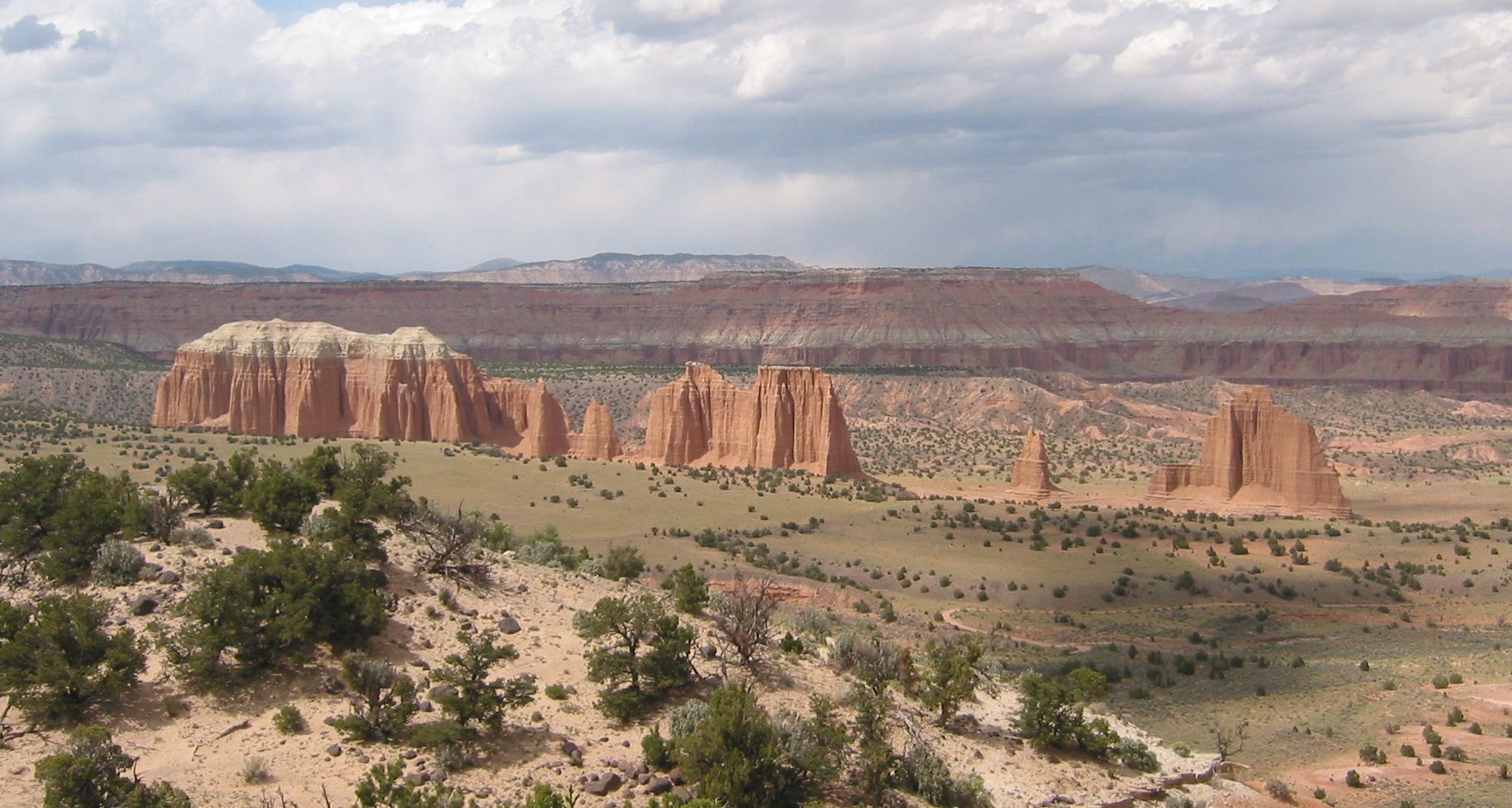
✍️ Written by: iSites.us Experienced Writing Team
This comprehensive guide is researched and compiled by the iSites.us National Parks writing team — experienced travel writers, outdoor recreation specialists, and professional content creators with extensive field experience documenting America's national parks and public lands.
📅 Published: | 🔄 Last Updated: | ⏱️ Reading Time: ~25 minutes
📚 Sources: National Park Service (NPS.gov), Wikimedia Commons, Visit Utah, Capitol Reef Country, USGS, Recreation.gov, NPCA, Travel + Leisure
🏜️ Capitol Reef National Park Travel Guide: Waterpocket Fold, Scenic Drives & Hidden Canyons
Utah's Hidden Gem • 100-Mile Waterpocket Fold • Fruita Orchards • Cathedral Valley • US-24 Scenic Highway • Dark Sky Park • 2026 Visitor Planning
Sources: NPS.gov, Wikimedia Commons, Visit Utah, Capitol Reef Country, USGS | Compiled: March 2026
🏜️ Capitol Reef National Park — Visitor Information
Utah's hidden gem in the heart of red rock country — 241,904 acres of the Waterpocket Fold, historic orchards & dark skies
🗺️ Park Overview — Utah's Best-Kept Secret
Capitol Reef National Park preserves 241,904 acres of the spectacular Waterpocket Fold — a nearly 100-mile-long wrinkle in the Earth's crust that creates a dramatic landscape of soaring cliffs, narrow canyons, massive domes, and colorful badlands in the heart of south-central Utah. Despite being one of the five national parks in Utah's "Mighty Five," Capitol Reef sees a fraction of the visitors that crowd Zion or Arches — making it one of the most rewarding and uncrowded national park experiences in the American Southwest.
The park gets its evocative name from two sources: early settlers thought the white Navajo Sandstone domes resembled the U.S. Capitol building dome, while the word "reef" described the rugged rock barrier that blocked travel — like a coral reef blocking ships at sea. The park was first protected as a national monument in 1937 and upgraded to national park status on December 18, 1971.
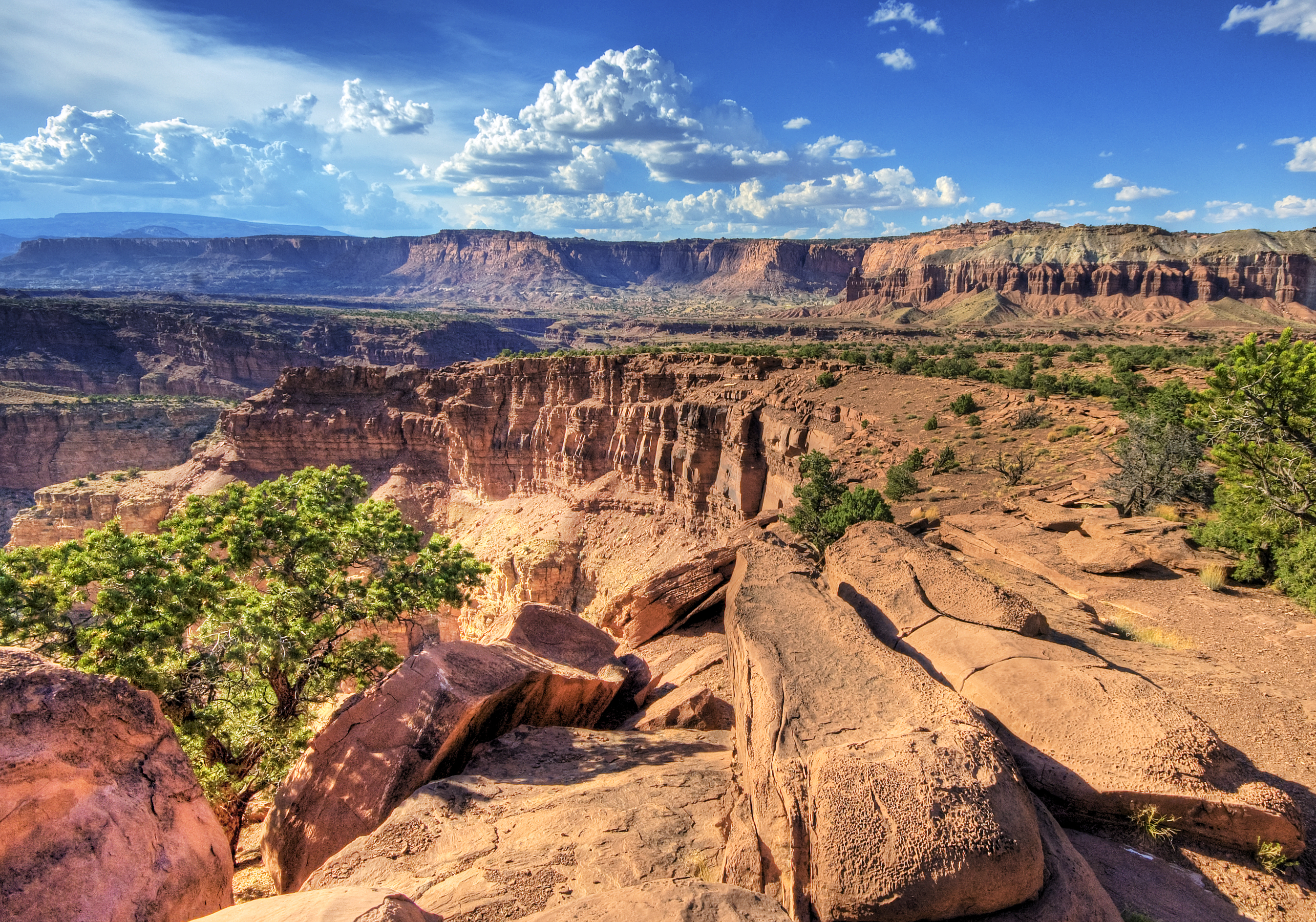
🪨 Geology — The Waterpocket Fold: A 100-Mile Wrinkle in the Earth
The Waterpocket Fold is the defining geological feature of Capitol Reef — and one of the most impressive exposed monoclines on Earth. This nearly 100-mile-long fold in the Earth's crust stretches from Thousand Lake Mountain in the north to Lake Powell in the south, creating a landscape where the western side is approximately 7,000 feet higher than the eastern side.
The fold was created during the Laramide Orogeny, a massive mountain-building event that occurred 50 to 70 million years ago. Deep faults in the Earth's crust pushed layers of rock upward on the west side, while the east side remained relatively stationary. The result is a classic monocline — a step-like fold where horizontal rock layers on one side have been dramatically tilted, exposing billions of years of geological history in cross-section.
Layers of Time
Within Capitol Reef, nearly 10,000 feet of sedimentary strata are exposed, representing over 270 million years of Earth history. The oldest exposed rocks are Permian-age (around 270 million years old), while the youngest date to the Cretaceous period (about 80 million years ago). Each layer tells a different story: ancient seas, vast deserts, river floodplains, and coastal dunes. The name "Waterpocket" comes from the natural water-filled depressions (potholes) that form in the tilted sandstone as it erodes, creating critical water sources for wildlife in this arid landscape.


🍎 Fruita — A Desert Oasis & Living Orchard
In the heart of Capitol Reef, along the green ribbon of the Fremont River, lies Fruita — a historic settlement and one of the most unique features of any national park. In the 1880s, Mormon pioneers settled here and planted extensive fruit orchards, taking advantage of the river's water and the canyon's sheltered microclimate. The small community was originally called "Junction" but was later renamed Fruita, becoming known as the "Eden of Wayne County."
Today, the NPS maintains nearly 3,000 fruit trees across 19 historic orchards using the same heritage techniques the pioneers employed — flood irrigation ditches dug in the 1880s are still in use. During harvest season (roughly June through October), visitors can pick and eat fruit for free within the orchards, or pay a small fee to take fruit home. Cherries ripen first (June–July), followed by apricots, peaches, pears, and finally apples (September–October).
🚗 Driving Through Capitol Reef: The US-24 Scenic Highway Photo Journey
Utah Highway 24 is one of the most spectacular free scenic drives in the entire national park system. This public highway cuts directly through the heart of Capitol Reef, following the Fremont River through a corridor of towering sandstone cliffs, naturally carved amphitheaters, and ancient petroglyph panels — and no entrance fee is required. The drive through the park takes about 45 minutes without stops, but plan 2–3 hours to enjoy the pull-offs, viewpoints, and short hikes along the way.
Starting the Drive — Entering Capitol Reef


Best Photo Stops Along Highway 24


Capitol Reef's Towering Cliffs & Ancient Petroglyphs
As you continue deeper along Highway 24, the canyon walls grow taller and more dramatic. Near the visitor center, watch for the Fremont Culture Petroglyphs — rock art panels created over 1,000 years ago by the Fremont people, visible right from the roadside boardwalk.


🏜️ Eastern Capitol Reef: Where the Desert Opens Up
As Highway 24 continues east past the visitor center and Fruita, the landscape transitions from towering canyon walls to more open desert terrain. The Waterpocket Fold's tilted layers spread out into expansive badlands, colorful bentonite hills, and wide desert vistas. This section of the drive offers a completely different character — vast, empty, and hauntingly beautiful.


🌅 Sunset at Capitol Reef: Golden Hour Along the Waterpocket Fold
Capitol Reef's red rock landscape is transformed at golden hour — the warm light intensifies the colors of the sandstone cliffs, turning them brilliant shades of orange, crimson, and gold. The park's east-west orientation along Highway 24 means sunset light floods the canyon walls from the side, creating dramatic shadows and depth. Panorama Point (2 miles west of the visitor center) and Chimney Rock are among the best sunset viewpoints.


🛣️ The Scenic Drive — Capitol Reef's Heart
Beyond the free Highway 24 corridor, the Capitol Reef Scenic Drive is an 8-mile paved road that heads south from Fruita into the heart of the Waterpocket Fold. This road requires the $20 entrance fee and ends at Capitol Gorge, one of the most atmospheric canyon walks in the park. Along the way, you'll pass the orchards, the Golden Throne formation, and trailheads for some of the park's best hikes.
Scenic Drive Highlights
- Fruita Orchards — Cherry, peach, apricot, pear, and apple trees (pick your own in season!)
- Grand Wash — A short drive off the Scenic Drive leads to a flat, easy walk through a narrow canyon with 800-foot walls
- Cassidy Arch Trailhead — Moderate hike to a stunning natural arch named after outlaw Butch Cassidy
- Capitol Gorge — End of the road; easy walk past pioneer inscriptions and "The Tanks" water pockets
- Golden Throne — Strenuous trail to the base of a massive golden Navajo Sandstone dome


⛪ Cathedral Valley — Temples of Sandstone
Cathedral Valley is the remote northern district of Capitol Reef — a place of staggering geological formations, profound silence, and almost no other visitors. The highlight of this backcountry area is the 57.6-mile Cathedral Valley Loop, a dirt road that requires a high-clearance vehicle and fording the Fremont River near the start. Plan 6–8 hours for the full loop.
Must-See Sites Along the Loop
- Bentonite Hills — Colorful rounded hills of volcanic ash in shades of red, purple, and gray; spectacular at sunrise/sunset
- Upper South Desert Overlook — A short walk provides a panoramic view of the vast, untouched South Desert
- Temples of the Sun and Moon — Massive free-standing Entrada sandstone monoliths towering over 400 feet; the most photographed features in Cathedral Valley
- Glass Mountain — A mound of sparkling selenite (gypsum) crystals near the Temples
- Gypsum Sinkhole — A 50-foot-wide, 200-foot-deep collapse feature formed by dissolved gypsum
- Cathedral Valley Campground — 6 free primitive sites; exceptional dark-sky viewing; first-come, first-served
🥾 Hiking Trails
Capitol Reef offers 15 day-hiking trails in the Fruita area alone, plus extensive backcountry routes in the Waterpocket Fold and Cathedral Valley. The trails range from easy strolls to strenuous all-day hikes through narrow canyons, past natural bridges, and up to panoramic viewpoints.
| Trail | Distance (RT) | Elev. Gain | Difficulty | Highlights |
|---|---|---|---|---|
| Hickman Bridge | 1.8 mi | 400 ft | Moderate | 133-ft natural bridge; most popular hike in the park |
| Cassidy Arch | 3.4 mi | 670 ft | Moderate | Natural arch named after Butch Cassidy; panoramic views |
| Capitol Gorge | 4.5 mi | 100 ft | Easy | Narrow canyon, pioneer inscriptions, "The Tanks" |
| Grand Wash | 4.4 mi | 200 ft | Easy | Flat walk through narrows; 800-ft walls |
| Chimney Rock Loop | 3.6 mi | 590 ft | Moderate | Panoramic views; iconic chimney formation |
| Cohab Canyon | 3.4 mi | 440 ft | Moderate | Hidden canyon; connects to Frying Pan & Cassidy Arch |
| Navajo Knobs | 9.4 mi | 1,520 ft | Strenuous | Best panoramic views in the park; Waterpocket Fold views |
| Golden Throne | 4 mi | 730 ft | Strenuous | Massive golden dome; dramatic scenery |
| Sulphur Creek | 5.5 mi | 500 ft | Moderate | Wading, waterfalls, slot canyons (point-to-point) |
| Fremont River | 2 mi | 480 ft | Easy–Mod | Stroll along river; views over Fruita orchards |
🌌 Dark Sky Park — Some of the Darkest Skies in America
Capitol Reef was designated an International Dark Sky Park in 2015 — one of only a handful of national parks with the official certification. The park's remote location in south-central Utah, combined with the nearby Dark Sky Community of Torrey, means virtually zero light pollution. On clear nights, the Milky Way stretches brilliantly overhead, and millions of stars are visible to the naked eye.
Best Stargazing Locations
- Panorama Point — 2 miles west of the visitor center on Hwy 24; the most accessible spot; wide-open sky views
- Danish Hill — Along the Scenic Drive; excellent dark-sky conditions
- Slickrock Divide — Along the Scenic Drive; outstanding unobstructed views
- Cathedral Valley Campground — The most remote and darkest location; exceptional Milky Way photography
- Fruita Campground Amphitheater — Convenient location; NPS sometimes holds ranger-led programs here
🗓️ Visitor Planning & 2026 Tips
🎟️ Free Entry on Highway 24!
One of Capitol Reef's great advantages: Utah Highway 24 through the park is completely free. You can drive the entire scenic highway, visit the Fremont Petroglyphs, hike Hickman Bridge, walk Grand Wash, and explore the Fruita Historic District without paying a cent. The entrance fee only applies to the Scenic Drive south of Fruita Campground.
| Fee Type | Cost | Valid For |
|---|---|---|
| Highway 24 (through park) | FREE | Always |
| Scenic Drive — Private Vehicle | $20 | 7 consecutive days |
| Scenic Drive — Motorcycle | $15 | 7 consecutive days |
| Scenic Drive — Per Person (walk-in/cyclist) | $10 | 7 consecutive days |
| Capitol Reef Annual Pass | $35 | 1 year |
| America the Beautiful Pass | $80 | 1 year — all national parks |
| Fruita Campground | $25/night | Per site (reservable on Recreation.gov) |
🌡️ Best Time to Visit
| Season | Temps | Crowds | Notes |
|---|---|---|---|
| Spring (Mar–May) | 50–80°F | Moderate | Orchards blossom; wildflowers; ideal hiking weather |
| Summer (Jun–Aug) | 85–100°F | High | Fruit harvest begins (cherries June); hike early/late; thunderstorms |
| Fall (Sep–Nov) | 50–80°F | Moderate | Apple harvest; Heritage Starfest; excellent photography light |
| Winter (Dec–Feb) | 20–45°F | Very Low | Smallest crowds; possible snow; dramatic scenery; some roads may close |
Essential Tips
- Water: This is high desert country with ~8 inches of annual rainfall. Carry at least 1 gallon per person per day. Water is available at the visitor center and Fruita Campground only.
- Cell Service: Extremely limited. Download offline maps before arriving. The town of Torrey (11 miles west) has basic services.
- Fuel & Food: No gas stations or restaurants in the park. The nearest services are in Torrey (west) or Hanksville (east).
- Visitor Center: Open daily — March–October: 8:00 AM to 4:30 PM; November–February: 9:00 AM to 4:00 PM.
- Pets: Allowed only on paved roads, parking areas, and developed campgrounds. NOT on any trails.
- Flash Floods: Never enter narrow canyons (Grand Wash, Capitol Gorge) if rain threatens. Desert storms can create deadly flash floods with little warning.
❓ Frequently Asked Questions
"Capitol" comes from white Navajo Sandstone domes that resemble the U.S. Capitol building. "Reef" describes the rugged rock barrier that blocked travel — like a coral reef blocking ships. Together: Capitol Reef.
A nearly 100-mile-long monocline (wrinkle in the Earth's crust) running through Capitol Reef. Formed 50–70 million years ago during the Laramide Orogeny, it creates the park's dramatic cliffs, canyons, domes, and arches. The west side is ~7,000 feet higher than the east.
Highway 24 through the park is FREE! The Scenic Drive beyond Fruita Campground costs $20/vehicle, $15/motorcycle, or $10/person for 7 days. The Capitol Reef Annual Pass is $35. The America the Beautiful Pass ($80) covers all national parks.
Yes! The Fruita orchards contain nearly 3,000 trees. During harvest season (June–October), visitors can pick and eat fruit for free within orchards, or pay a small fee to take fruit home. Call 435-425-3791 (#1 then #5) for current harvest status.
Top hikes: Hickman Bridge (1.8 mi, 133-ft natural bridge), Cassidy Arch (3.4 mi, named after Butch Cassidy), Capitol Gorge (4.5 mi, pioneer inscriptions), Chimney Rock Loop (3.6 mi, panoramic views), and Navajo Knobs (9.4 mi, best views in the park).
Outstanding! Capitol Reef was designated an International Dark Sky Park in 2015. The nearby town of Torrey is a Dark Sky Community. Top spots: Panorama Point, Danish Hill, Cathedral Valley Campground. The annual Heritage Starfest is in September.
Not for the main attractions. Highway 24 and the paved Scenic Drive work with any vehicle. However, Cathedral Valley Loop (57.6 mi) and Notom-Bullfrog Road require high-clearance vehicles. Cathedral Valley also requires fording the Fremont River.
Spring (March–May) and fall (September–November) offer ideal weather (50–80°F). Orchards blossom in spring; apples ripen in fall. Summer exceeds 100°F. Winter is cold but uncrowded with possible snow-on-red-rock scenery.
South-central Utah along Highway 24. About 75 miles from Bryce Canyon, 150 miles from Moab/Arches, and 225 miles from Salt Lake City. The nearest town is Torrey, 11 miles west of the visitor center.
The remote northern district featuring massive free-standing monoliths including the Temples of the Sun, Moon, and Stars. The 57.6-mile loop requires high-clearance and fording the Fremont River. Six free primitive campsites offer exceptional dark-sky viewing.
📖 References, Sources & Copyright Compliance
Official Sources: National Park Service — nps.gov/care | USGS — usgs.gov | Visit Utah — visitutah.com | Capitol Reef Country — capitolreefcountry.com
Images: All photographs are sourced from Wikimedia Commons. The US-24 scenic drive photo series by bobistraveling is licensed under CC BY 2.0. Full attribution is provided with each image. Verify specific licenses on each file page before reuse.
Additional Sources: NPCA — npca.org | Travel + Leisure — travelandleisure.com | International Dark-Sky Association
Editorial Disclaimer: This guide is for informational purposes. Trail conditions, fees, and hours may change. Always verify at nps.gov/care before your visit. Last verified: March 2026.
📖 About This Guide — Editorial Standards & E-E-A-T Compliance
Experience: This guide was compiled by the iSites.us Experienced Writing Team, who have directly researched, visited, and documented Utah's national parks, trails, orchards, and geological formations.
Expertise: Our team includes professional travel writers, outdoor recreation specialists, photography guides, and national parks content creators.
Authoritativeness: All data is cross-referenced from official NPS sources, USGS geological publications, Wikimedia Commons, Visit Utah, Capitol Reef Country, and verified local tourism resources.
Trustworthiness: This guide is regularly updated, fact-checked against primary government sources, and published under clear editorial standards. All external links point to official government (.gov), verified tourism, and educational websites. Last verified: March 2026.
📧 Corrections & Updates: If you find any inaccuracies, please contact our editorial team at www.isites.us.
© 2026 iSites.us — Experienced Writing Team. All rights reserved.
This article contains 35+ images from Wikimedia Commons used under Creative Commons licenses with proper attribution.
For corrections or inquiries, visit www.isites.us
